New import duties, freight disruption, and rising concrete surcharges are converging on Australian construction right now. If your quotes don't reflect what materials will actually cost, your margins are already gone.
Most builders will price a job, submit the quote, and assume the materials will cost roughly what they estimated. Right now, that assumption is dangerously risky. A convergence of import duties, supply chain disruption, and fuel cost shock is pushing construction material prices higher, and it hasn't fully hit invoices yet.
Three cost pressures arriving at once
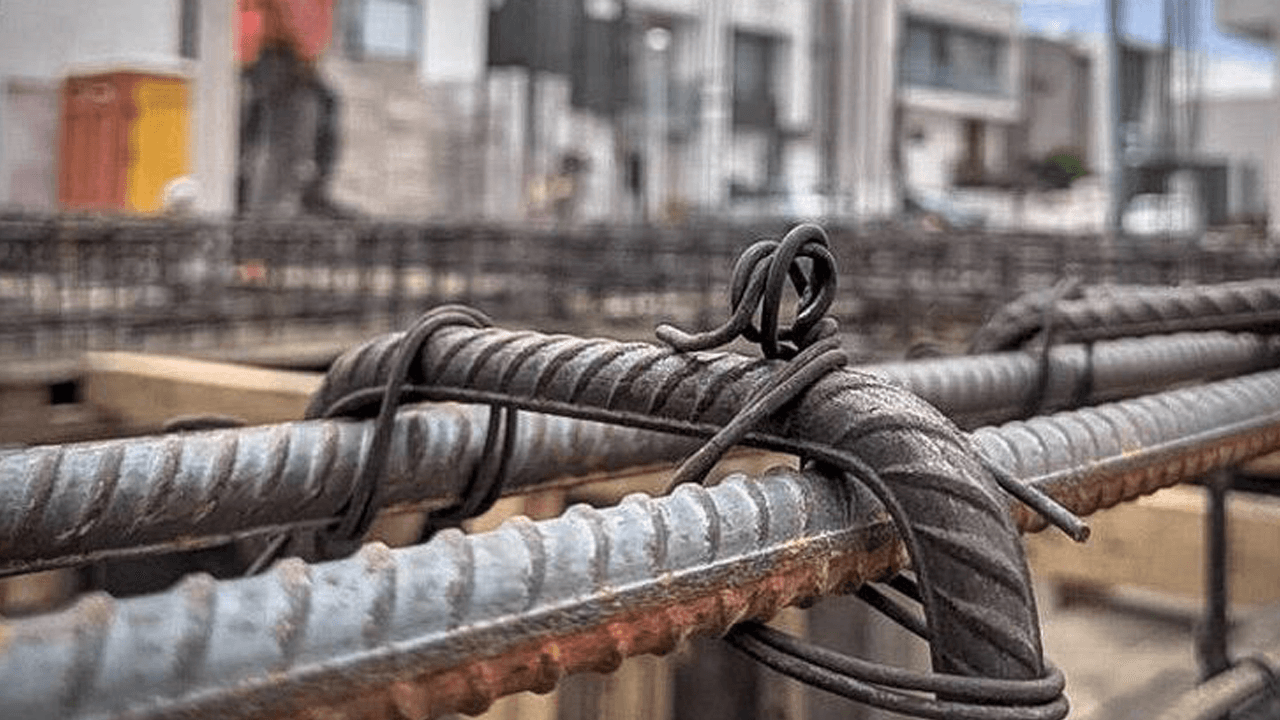
Steel import duties: The Australian Government has imposed duties of up to 82% on Chinese hot-rolled coil steel, with rebar duties lifted to 23.7% in May 2026. Preliminary levies have also hit imports from Malaysia, Thailand, Turkey and Vietnam. Local supply is not an immediate substitute, most fabricators are already stretched.
Freight disruption: Middle East supply chain disruption is flowing directly into Australian construction. Diesel spiked 41% in March, from 181 to 256 cents per litre, a cost multiplier embedded in concrete delivery, steel transport, plant hire, and subcontractor rates.
Concrete surcharges: Holcim and Heidelberg Materials have already applied fuel surcharges of $8.67 and $8.10 per cubic metre. On top of that: imported cement costs up 15%, local grinding up 10%, and trucking adding 12 to 15%. These aren't projections, they're current invoice prices.
The estimating takeaway
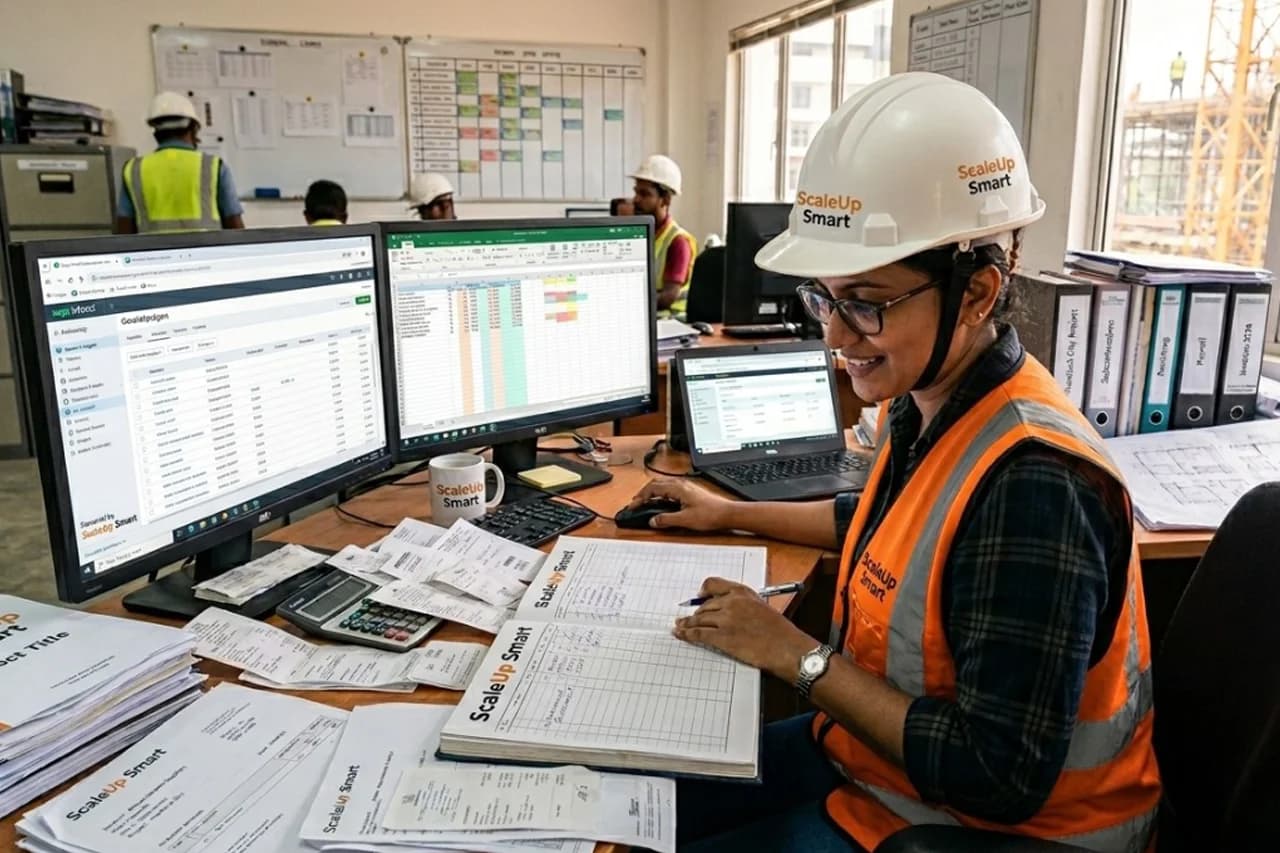
If your quotes don't reflect what materials will actually cost in the months ahead, you'll be locked into contracts you can't deliver profitably. Now is the time to review your rates, build in escalation clauses, and get your estimating tight.